White Mold Mitigation in Essex County, NJ
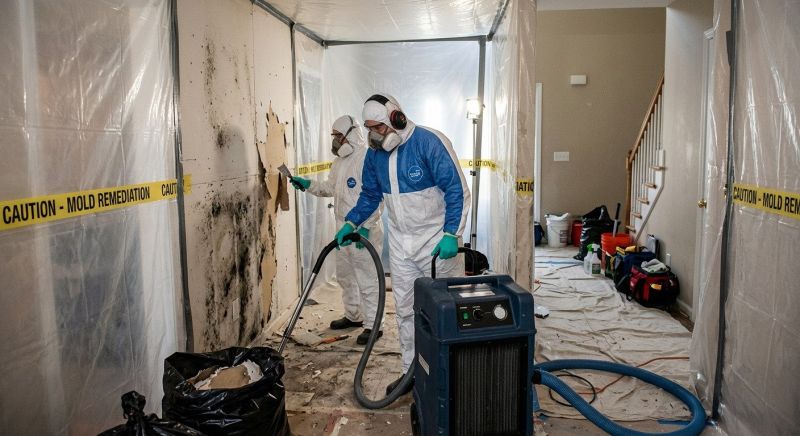
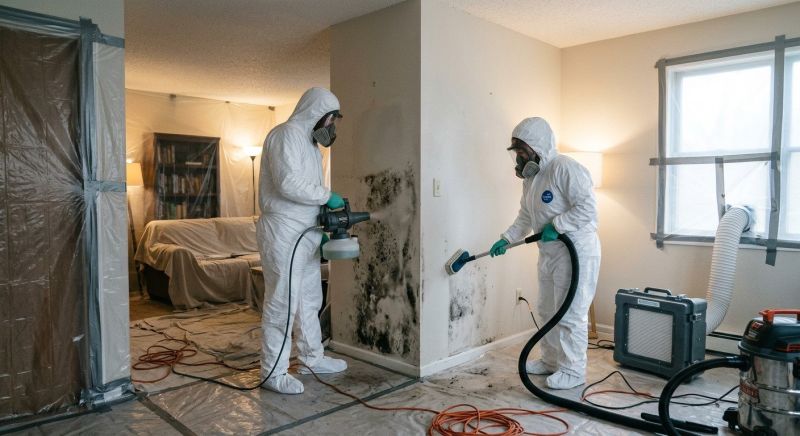
White mold mitigation services focus on identifying and removing mold growth caused by excess moisture and high humidity levels within residential properties. These services typically cover areas such as basements, bathrooms, attics, and other spaces prone to moisture buildup. Property owners often seek assistance when they notice visible mold, experience musty odors, or have concerns about potential health risks associated with mold exposure. The process involves thorough inspection, containment to prevent spread, and specialized cleaning methods to eliminate mold colonies and reduce the likelihood of regrowth.
Before requesting white mold mitigation, homeowners usually want to understand the scope of the affected areas, the types of materials involved, and the potential impact on indoor air quality. It’s important to consider whether the mold is confined or widespread, as this influences the approach and extent of remediation needed. Property owners may also inquire about moisture sources that contributed to mold growth, such as leaks or poor ventilation, to help prevent future issues. Clear communication about these factors can support effective planning and ensure the mitigation process addresses both immediate concerns and long-term prevention.
Many property owners in Essex County, NJ look into White Mold Mitigation for repairs, replacements, upgrades, and appearance-related improvements.
Understanding White Mold
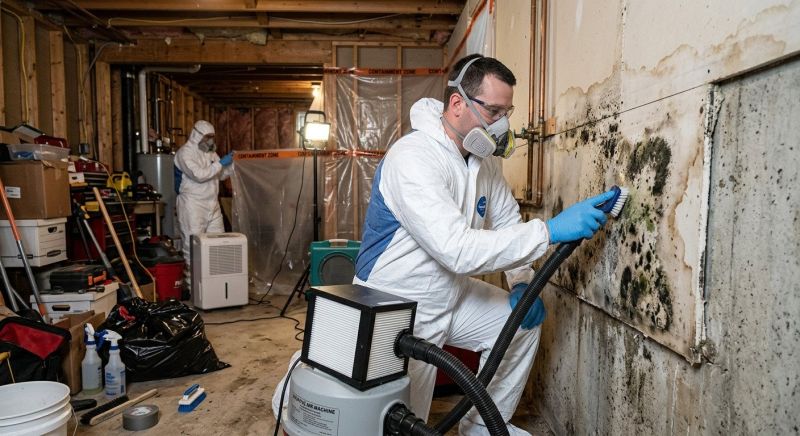
White mold can develop in damp areas of homes and may cause health concerns if not properly addressed.
Signs Of Mold Growth
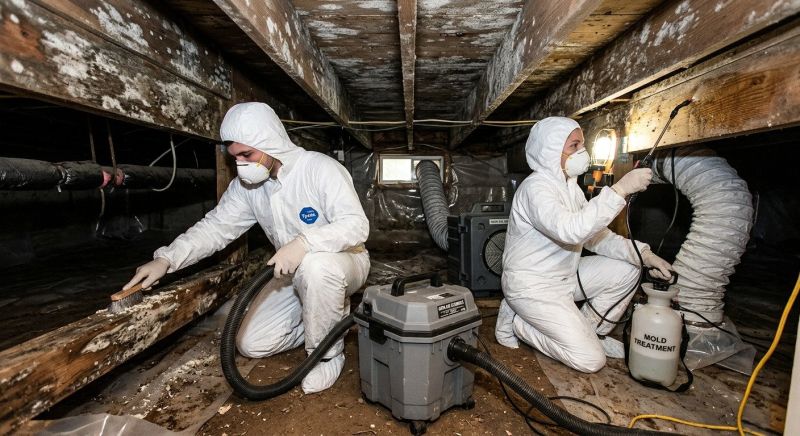
Visible white patches, musty odors, and increased allergy symptoms can indicate mold presence in residential or commercial properties.
Mitigation Strategies
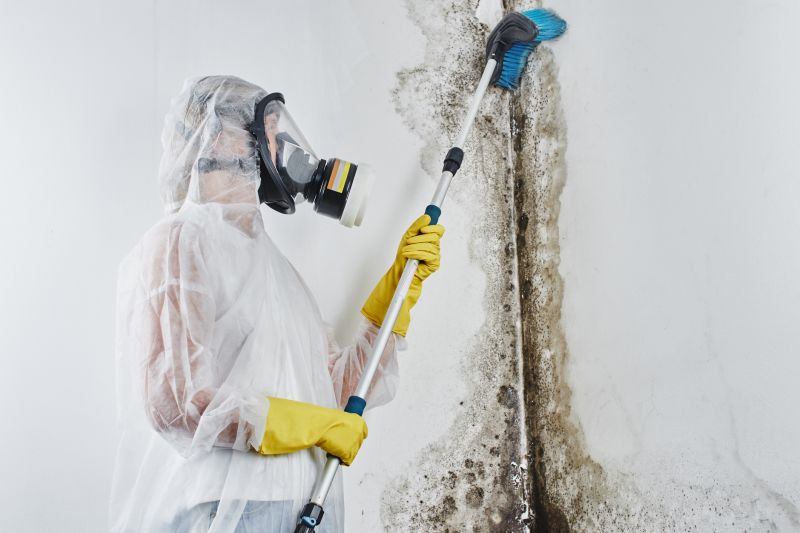
Effective removal of white mold involves specialized cleaning and moisture control to prevent future growth in essex county homes.
White Mold Mitigation in Essex County, NJ
White mold mitigation services focus on identifying and removing mold growth caused by excess moisture and high humidity levels within residential properties. These services typically cover areas such as basements, bathrooms, attics, and other spaces prone to moisture buildup. Property owners often seek assistance when they notice visible mold, experience musty odors, or have concerns about potential health risks associated with mold exposure. The process involves thorough inspection, containment to prevent spread, and specialized cleaning methods to eliminate mold colonies and reduce the likelihood of regrowth.
Before requesting white mold mitigation, homeowners usually want to understand the scope of the affected areas, the types of materials involved, and the potential impact on indoor air quality. It’s important to consider whether the mold is confined or widespread, as this influences the approach and extent of remediation needed. Property owners may also inquire about moisture sources that contributed to mold growth, such as leaks or poor ventilation, to help prevent future issues. Clear communication about these factors can support effective planning and ensure the mitigation process addresses both immediate concerns and long-term prevention.
Many property owners in Essex County, NJ look into White Mold Mitigation for repairs, replacements, upgrades, and appearance-related improvements.
Common White Mold Mitigation Jobs
White Mold Mitigation - Professional removal of mold growth from indoor surfaces and HVAC systems.
Home Inspection - Identifying areas prone to moisture buildup that can lead to mold development.
Moisture Control - Implementing measures to reduce humidity and prevent future mold growth.
Surface Cleaning - Safely cleaning and disinfecting affected areas to eliminate mold spores.
Remediation Planning - Developing strategies to address underlying moisture issues and mold sources.
Preventive Solutions - Installing barriers and ventilation systems to inhibit mold recurrence.
White Mold Mitigation Questions
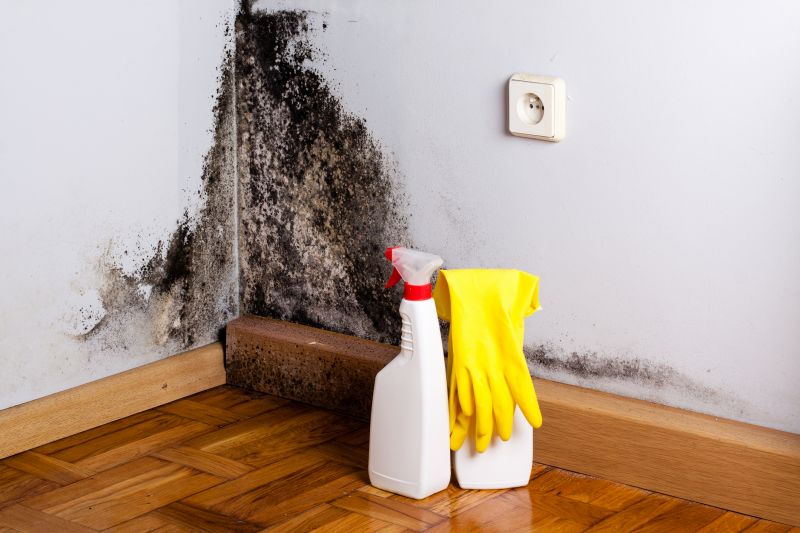
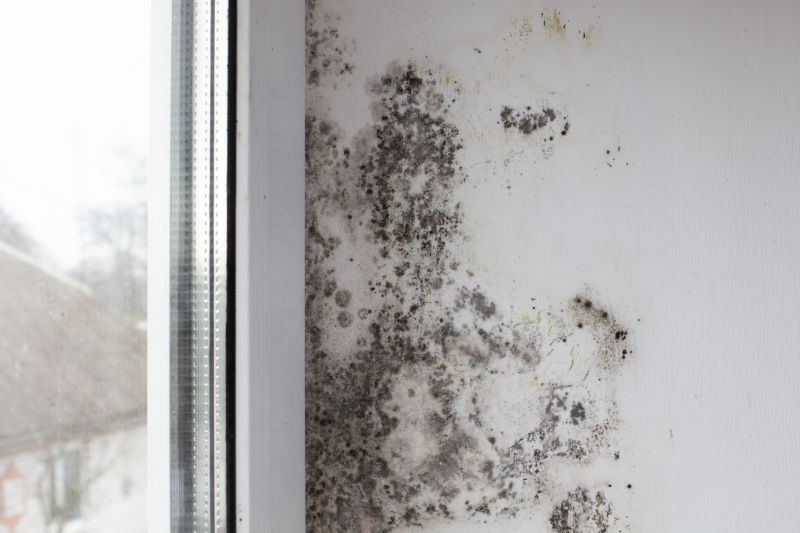
What is white mold? White mold is a type of fungus that appears as a white, fuzzy growth on surfaces with excess moisture, often found in damp areas of a property.
How does white mold affect a property? White mold can cause surface discoloration, material damage, and may contribute to health issues for occupants if not addressed promptly.
What are common places where white mold occurs? It typically develops in bathrooms, basements, crawl spaces, and areas with poor ventilation or persistent moisture.
What is involved in white mold mitigation? Mitigation involves identifying affected areas, removing mold growth, and addressing underlying moisture problems to prevent future growth.
Request White Mold Mitigation in Essex County, NJ
Use the quote form on this page to share the basics of your project and request more information for the type of work you need.